Growing up queer in India meant being invisible. You laughed at the same jokes, sang the same jingles, and waited for your favorite shows to come back after commercial breaks. But while the ads between them shaped the nation’s pop culture, they rarely, if ever, included people like you.
We saw families, but never a trans mom. Weddings, but never two grooms. Friendships, but always cis and straight. Love, but only in sarees and sindoor. What if things had been different? What if those beloved ads from our childhood—the ones we quoted, mimicked, and remembered word-for-word—had shown queer characters simply existing? Not as statements, not as side plots, but as part of the everyday fabric of life.
This isn’t about tokenism. It’s about imagining a world where queerness was normalised in the ads that told us what India looked like.
Let’s time travel—reimagining iconic Indian ads through a queer lens, not for shock, but to show how gentle, honest representation could have changed everything.
Dhara Cooking Oil – The ‘Jalebi’ Ad
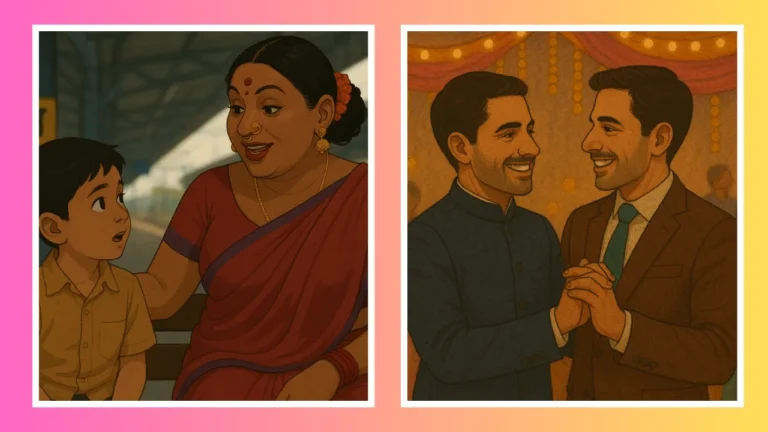
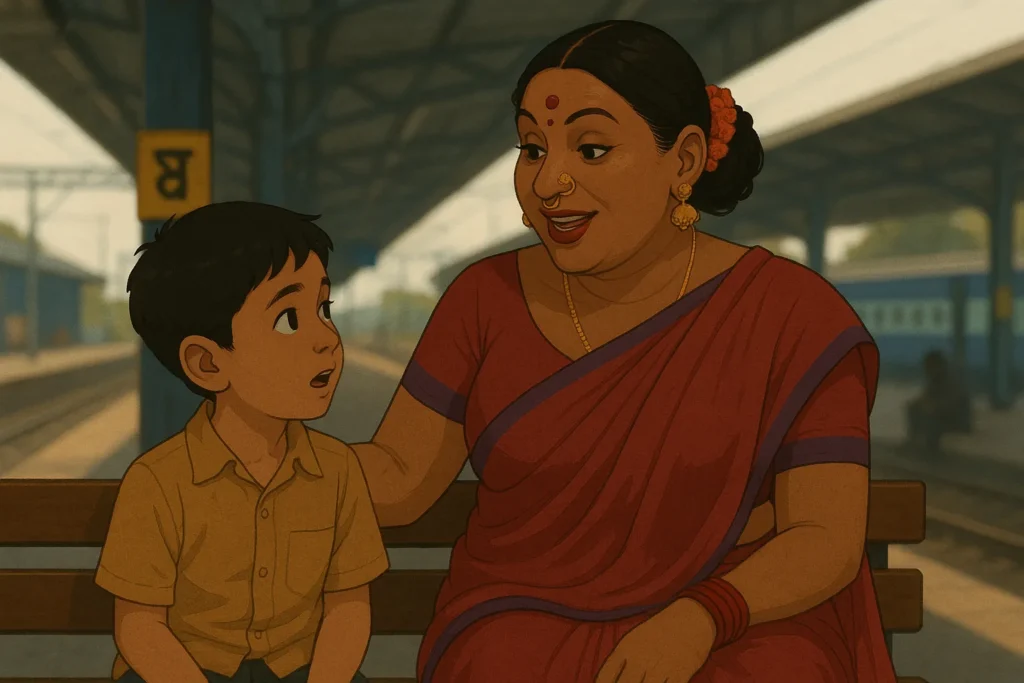
The runaway kid is still sitting at the train station, upset after being scolded. But instead of Ramu Kaka, it’s Rani Didi, a Kinnar woman he clearly knows and trusts, who finds him. She sits beside him, smiles warmly, and says, “Ghar pe maa garma-garam jalebi bana rahi hai.”
Most of us grew up seeing trans women only at traffic lights or weddings—and were told to look away. This simple change could’ve told an entire generation that someone like Rani Didi can be kind, familiar, and safe.
Because care isn’t gendered. If an elderly uncle can walk a child home, so can a trans woman. And yes, the jalebi still tastes just as sweet.
made with ai
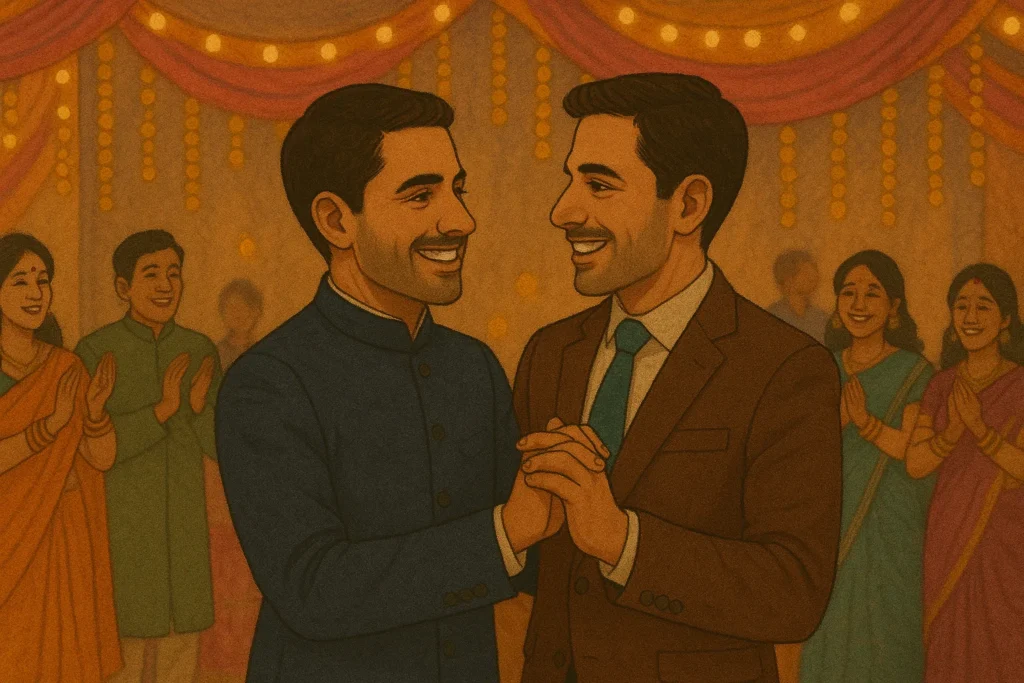
Raymond – The Complete Man
A man in a sleek grey Raymond suit is organizing a wedding sangeet. He’s calm, composed. Then he spots someone watching from the balcony—his partner, also in a sharp black suit. A smile. A nod. He cues the music: “Saamne yeh kaun aaya…” They begin to dance, surrounded by cheering friends and family.
We’ve seen men in suits be sons, fathers, bosses, and grooms—but never lovers to each other. This version doesn’t just show queer love. It redefines masculinity: gentle, joyful, proud.
Because the “Complete Man” isn’t less complete if he loves another man. In fact, maybe now, there are two of them.
made with ai
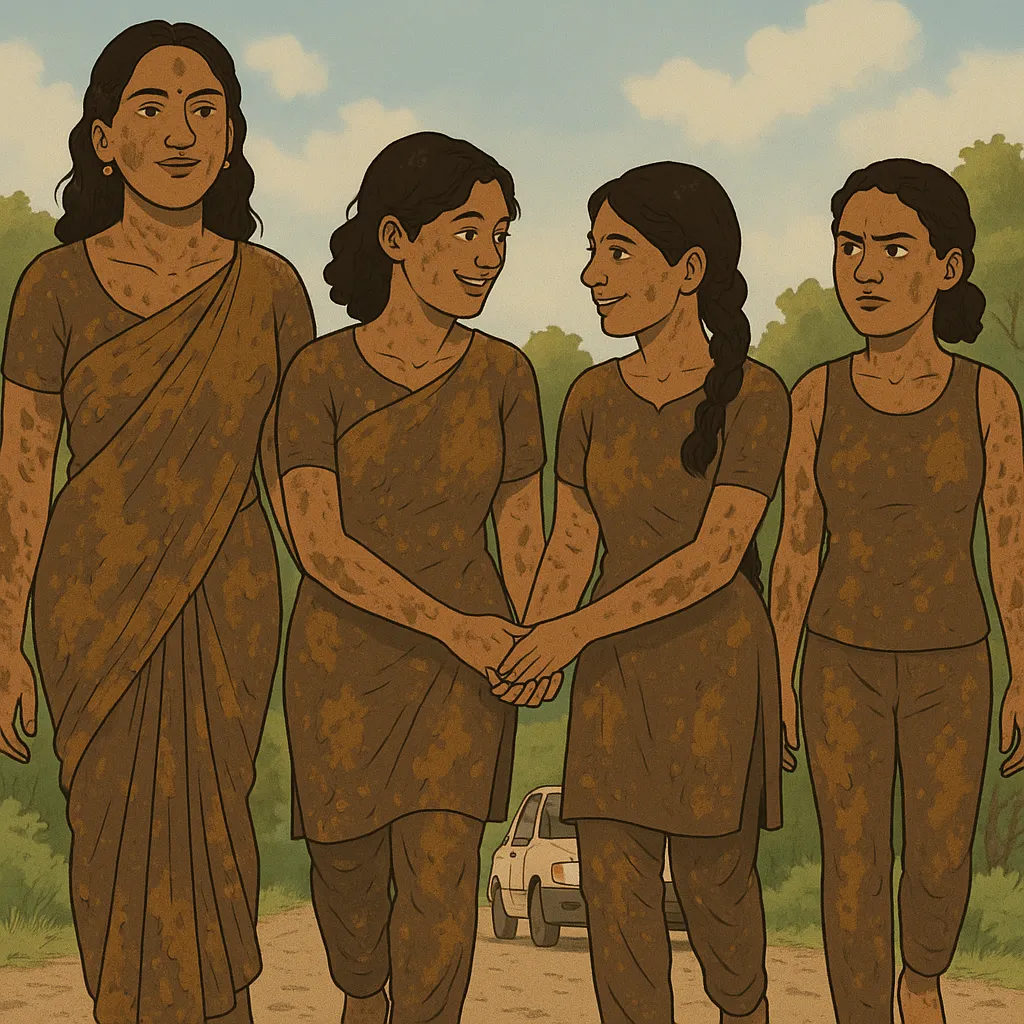
Washing Powder Nirma
“Hema, Rekha, Jaya aur Sushma, sabki pasand Nirma…” Four women pushing a stuck ambulance, their clothes splattered with mud, their strength on full display. But this time, one of them is a trans woman. Two others are wives—holding hands, laughing, wiping each other’s faces.
Because queer women, trans women, women who love women—they all roll up their sleeves. They get messy, they show up, they do the work. Why shouldn’t we see that on screen?
The ad still celebrates strength and sisterhood. It just includes all women in that celebration.
made with ai
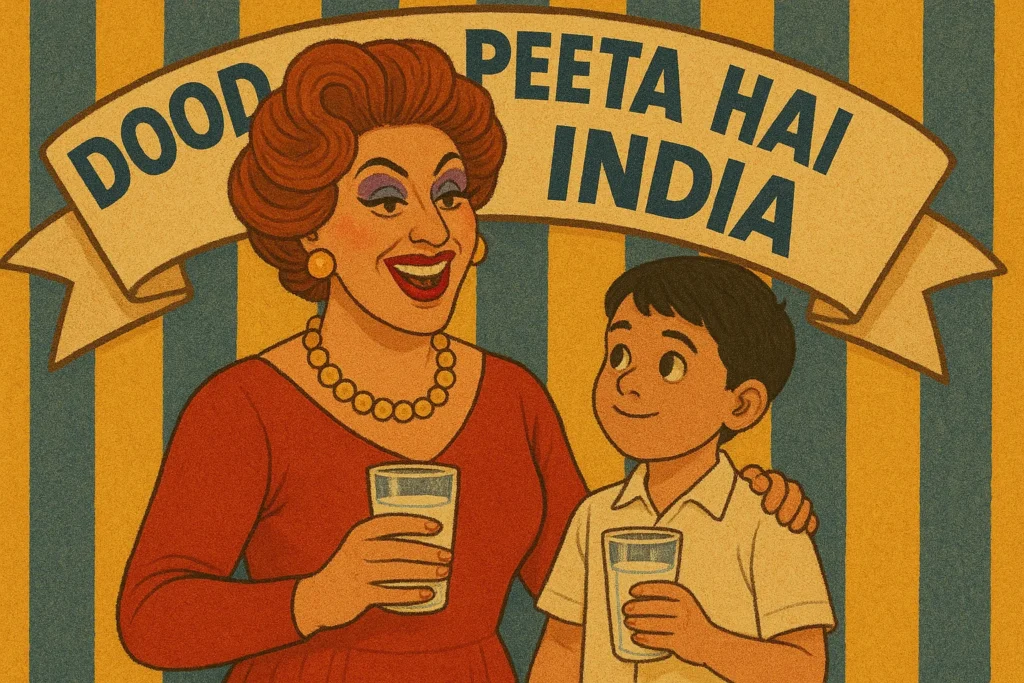
Amul Doodh – “Peeta Hai India”
Remember the chaotic, colourful jingle sung by Usha Uthup? Wrestlers, dancers, schoolkids—all sipping Amul milk. Now add a drag queen in full sparkle, twirling with her glass of doodh, owning her space.
Because queerness isn’t just protest and pain—it’s flair, joy, and rhythm too. Including a drag performer isn’t radical—it’s real. They exist. They bring joy. They are part of this nation’s heartbeat.
The more faces we show, the more India feels like home.
made with ai
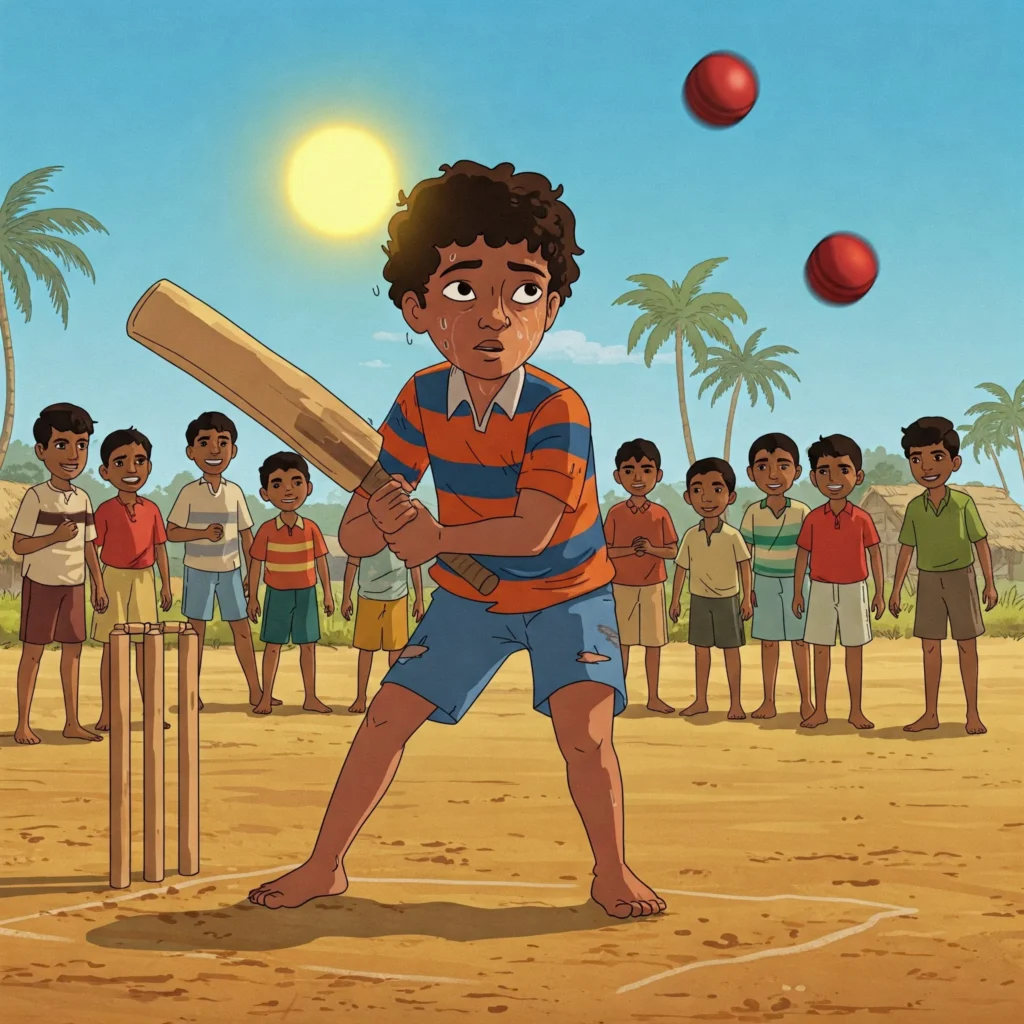
Glucon-D
It’s hot. The cricket game is intense. A kid starts to feel weak under the sun. He drinks Glucon-D and is back in action. But this time, he’s a young trans boy.
That’s it. No backstory, no headline. Just a kid, being a kid, playing with his friends.
Because queer children shouldn’t always carry narratives of struggle. Sometimes, they just want to play, laugh, and drink glucose. And they should see themselves doing exactly that.
made with ai
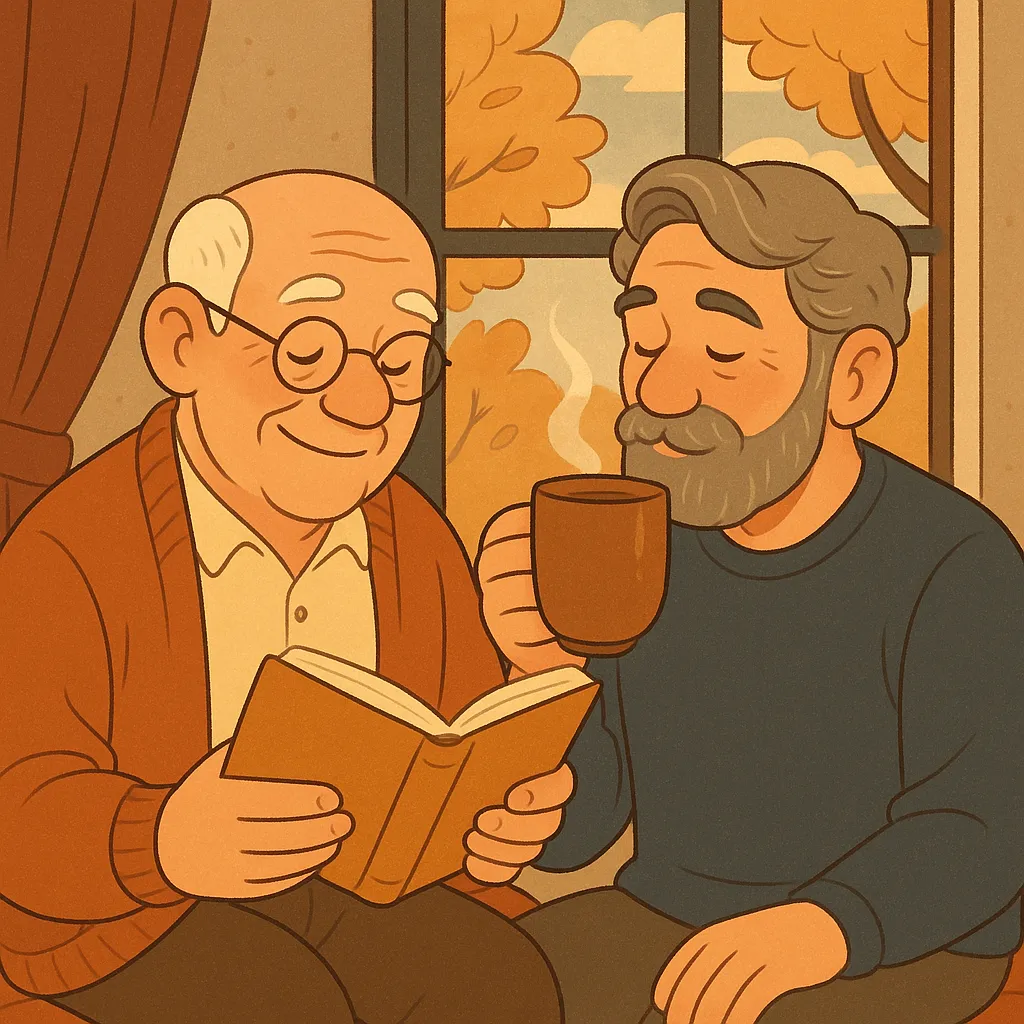
LIC Prudential – “Bande Achhe Hain”
An older gay couple sits on their balcony. One reads a book; the other brings tea. The sun shifts. Silently, one man moves his chair to shade his partner from the glare.
That’s the ad. No big gestures. Just quiet, everyday love—the kind that lasts.
The original ad showed a man shielding his wife from the sun. This version does the same, just with two men. Because love, tenderness, and protection aren’t reserved for straight couples. They’re for anyone who builds a life with someone they care for.
made with ai
So Why Does This Matter?
Because representation isn’t a Pride campaign or a rainbow filter. It’s seeing yourself in the mundane. Ads shape culture. They teach us what’s “normal.” And when queer people aren’t shown, we learn to hide.
If we’d grown up seeing these ads, maybe we wouldn’t have spent so much time wondering if that “close friendship” on screen was secretly gay. We would’ve known that people like us grow up, pay bills, raise kids, adopt cats, fight over remote controls—and yes, invest in SIPs.
We wouldn’t just exist in subtext. We’d be at the centre, laughing.
To the Indian advertising industry: you’re not just selling soap or soda. You’re shaping the nation’s sense of self. Start showing all of us. Let trans kids see possibility. Let ace and pan folks be visible without having to explain. Let queer people have stories beyond pain or coming out.
We’re not a trend. We’re your audience. We’ve always been here.
Representation isn’t charity. It’s overdue. And it doesn’t need to wait for June. Sometimes, all it takes is one small casting decision. But for us, that moment of visibility? It means the world.