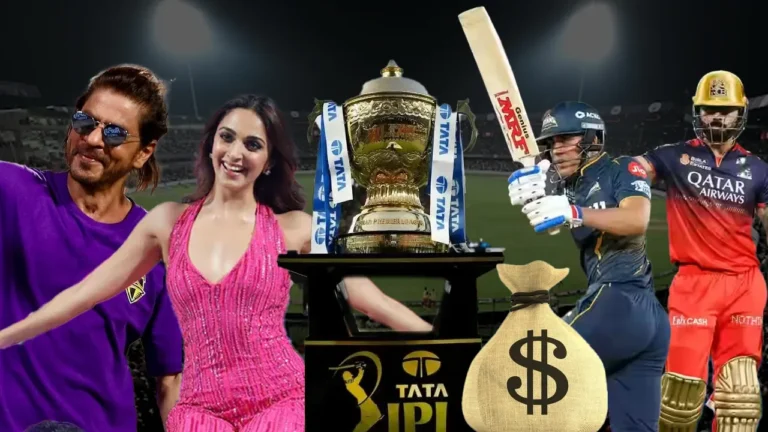
Since its debut in 2008, the Indian Premier League (IPL) has transformed from a cricket tournament into a global economic phenomenon — a transformation inseparable from its marketing genius. Exploding media rights deals, massive advertising spends, and lucrative sponsorships underscore the IPL’s unparalleled success in marrying cricket with mainstream commercial appeal. The IPL’s rise is a compelling example of how multiple industries — sports, entertainment, advertising, and technology — converge to create a multi-billion-dollar enterprise.
Cricket’s Religion Meets the Marketplace
In India, cricket isn’t just a sport; it’s often called a religion. When the IPL launched, it didn’t just introduce another cricket league; it revolutionized how cricket was packaged and consumed. The IPL became a dazzling marketplace where sport, Bollywood glamour, and shrewd business strategy intertwined. This fusion reshaped India’s sporting and advertising worlds forever. From its bold beginnings to its present status as a commercial giant, the IPL’s story is as much about marketing mastery as it is about runs and wickets.
The Birth of a League (2008)
The IPL’s genesis came on the heels of India’s thrilling victory in the inaugural 2007 T20 World Cup. The excitement around the fast-paced format inspired Lalit Modi, then BCCI Vice-President, to create a franchise-based league blending global sporting models like the NBA and English Premier League with a uniquely Indian flavor.
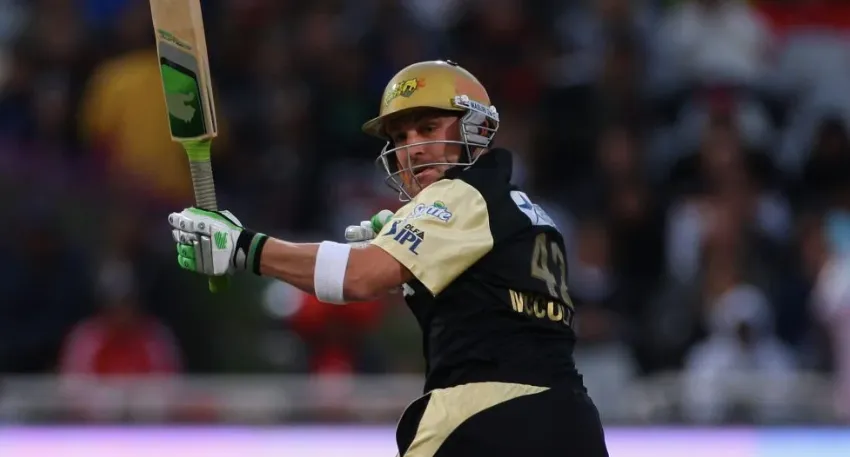
A key marketing stroke was the city-based franchise structure. This wasn’t just geography; it created instant fan loyalty and fierce rivalries. Mumbai wasn’t just a city — it was home to the Indians. Delhi became the Daredevils. To expand appeal beyond cricket lovers, Bollywood stars such as Shah Rukh Khan and Preity Zinta were roped in as team owners, merging cricket’s passion with India’s cinematic obsession.
The franchise auction in January 2008 revealed the league’s potential: Reliance Industries shelled out $111.9 million for Mumbai, while UB Group paid $111.6 million for Bengaluru. Altogether, franchises fetched $723 million — a bold bet on a new sports and entertainment phenomenon.
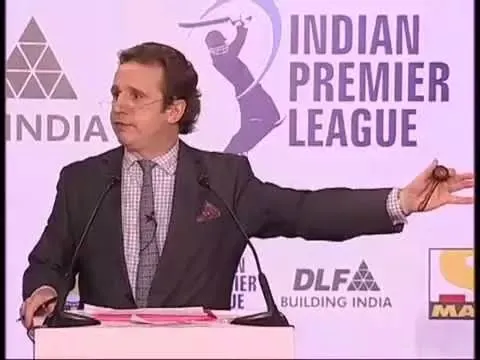
Sony Pictures Network secured the initial 10-year broadcast rights for $1.026 billion, not only televising matches but aggressively marketing the league. Their campaigns emphasized the IPL as “Manoranjan ka Baap” (The Father of Entertainment), setting the tone for the IPL as a prime-time family spectacle, not just cricket.
Building a Brand Amid the Buzz (2008–2012)
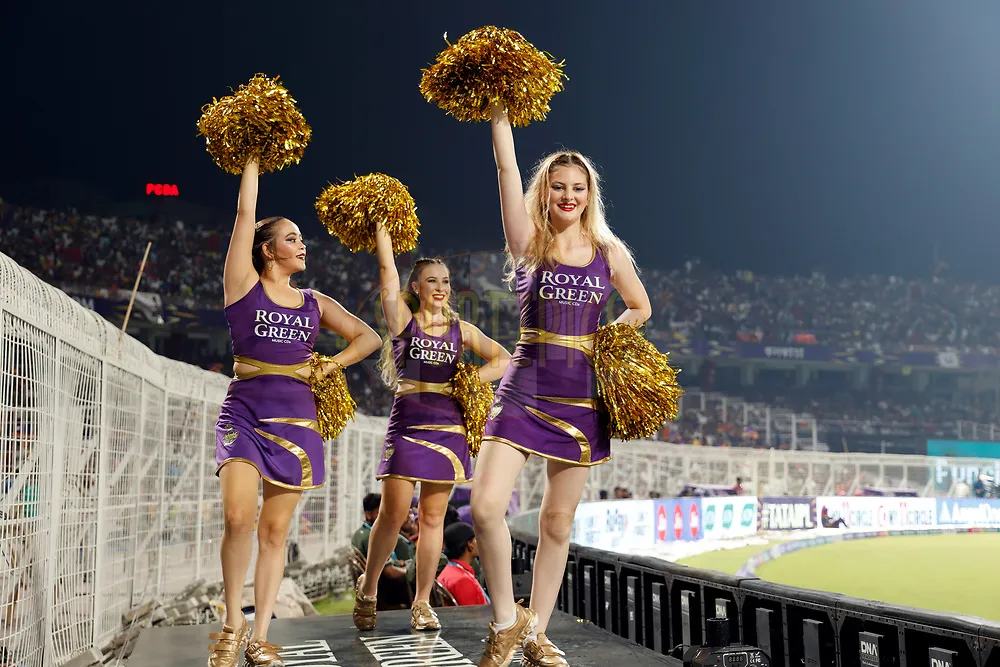
The early years focused on establishing the IPL as a permanent fixture. Marketing amplified city rivalries, built team identities through anthems and merchandise, and added layers of spectacle—cheerleaders, grand opening ceremonies, and glamorous post-match parties kept the league in the media spotlight.
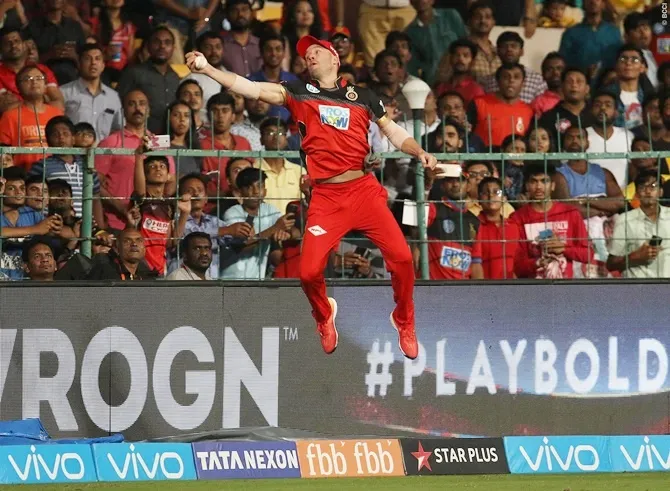
Corporate brands quickly seized the opportunity. Real estate giant DLF became the first title sponsor with a ₹200 crore ($40 million) five-year deal, lending credibility and scale. Advertising slots, though not as costly as today, commanded premium prices for the IPL’s concentrated viewership.
However, this period faced challenges. Scandals involving Lalit Modi and spot-fixing rocked the league’s image. The BCCI and broadcasters responded with crisis management and sustained marketing, reinforcing integrity and the excitement of the sport. Sponsor confidence dipped briefly but largely endured, demonstrating the IPL’s deep-rooted audience appeal.
Reaching Stratospheric Heights: The Money Multiplies (Mid-2010s Onward)
By the mid-2010s, the IPL’s economic model soared. India’s booming economy, rising disposable incomes, widespread smartphone adoption, and fierce competition among broadcasters and brands all converged to fuel growth.
The landmark moment came in 2017 when Star India (now Disney Star) won global media rights for ₹16,347.5 crore (~$2.55 billion), tripling previous deals. This wasn’t just about airing games — it was about owning India’s largest media property. Star maximized reach with multi-language broadcasts and integrated digital platforms like Hotstar, attracting advertisers with targeted, extensive exposure.
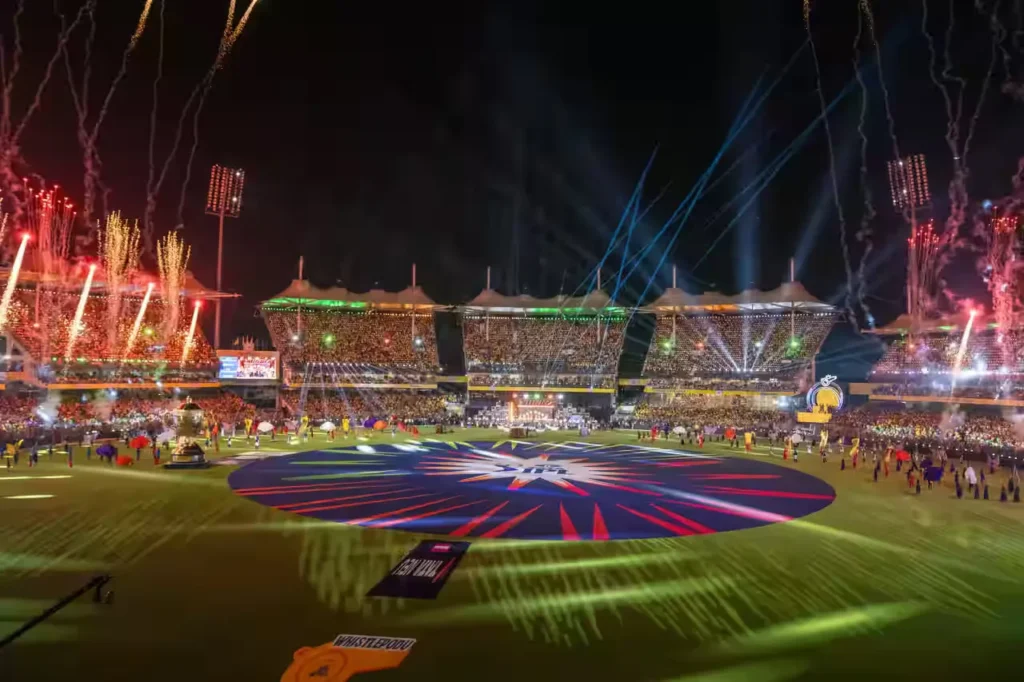
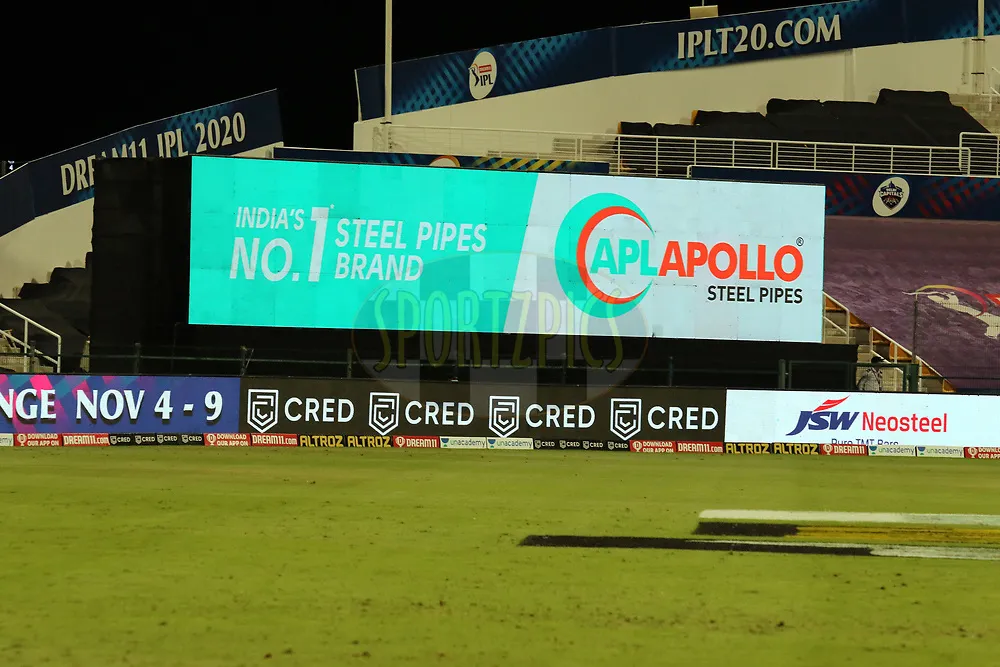
Title sponsorships also ballooned. After DLF and PepsiCo, Chinese smartphone giant Vivo took the reins in 2016 with deals worth hundreds of crores annually. Though geopolitical tensions caused sponsorship disruptions, the IPL’s commercial value remained intact. Brands across sectors lined up, paying premiums for association with the league.
Franchise valuations followed suit. From modest beginnings, teams like Mumbai Indians and Chennai Super Kings became brands worth hundreds of millions. The addition of new franchises in 2021 reflected this boom, with bids reaching nearly $1 billion for teams like Lucknow and Ahmedabad — a testament to the IPL’s marketing-driven growth.
Digital Disruption and Fragmented Media Rights (2023–Present)
The 2023-27 media rights auction introduced a new era by splitting TV and digital rights, signaling shifts in consumer behavior:
- Disney Star retained TV rights for ₹23,575 crore.
- Viacom18 (backed by Reliance) won digital rights for ₹23,758 crore.
- Overseas and non-exclusive digital rights added further value.
The total haul reached a staggering ₹48,390 crore (~$6.2 billion).
Viacom18’s strategy of streaming IPL matches free on JioCinema challenged traditional pay models, marking a major marketing play to attract digital audiences and integrate users into the broader Jio ecosystem.
Advertisers benefited from this media fragmentation, targeting diverse audiences on TV and digital with customized ad formats. Rates surged, with 10-second TV slots now costing ₹15-20 lakh and digital ads offering sophisticated targeting. IPL’s advertising window has become the most expensive and coveted on India’s media calendar, driven by categories like fintech, e-commerce, fantasy gaming, and FMCG.
The IPL’s Economic Engine: Powered by Marketing
The IPL’s financial structure rests on several pillars, all supercharged by marketing:
- Media Rights: The largest revenue source, driving fierce competition among broadcasters.
- Central Sponsorships: Title sponsors and official partners paying premium fees for national exposure.
- Team Sponsorships: Franchises monetizing brand loyalty via jersey deals and local partnerships.
- Gate Receipts: Important for atmosphere and revenue but smaller compared to media and sponsorship income.
- Merchandising: Team merchandise sales help both revenue and fan engagement.
- Franchise Fees: Initial and new franchise fees provide a significant financial boost to the BCCI.
Marketing: The Fuel Behind the Machine
Marketing has been far more than ticket-selling or ad slot promotion; it’s the engine driving IPL’s colossal success:
- Creating Spectacle: Crafting the IPL as a unique blend of sport and entertainment.
- Building Brands: Elevating the IPL and its teams into valuable, marketable entities.
- Driving Viewership: Multi-platform campaigns ensure vast audience engagement.
- Expanding Audiences: Attracting beyond traditional cricket fans to families, women, and casual viewers.
- Monetizing Engagement: Leveraging fantasy leagues, social media, and digital platforms for sustained interaction.
- Crisis Management: Protecting brand value during controversies through strategic communication.
From a daring idea in 2008 to a global sporting phenomenon valued at over $10 billion, the IPL exemplifies how expert marketing, combined with a compelling product, can create a sports empire. Its success has transformed cricket consumption in India, revolutionized sports broadcasting, and become the ultimate platform for brands seeking mass reach.
While the sixes and wickets are the heart of the IPL, it’s the relentless marketing machine—spinning narratives, building hype, and delivering value to sponsors and audiences—that has powered its unprecedented economic rise.