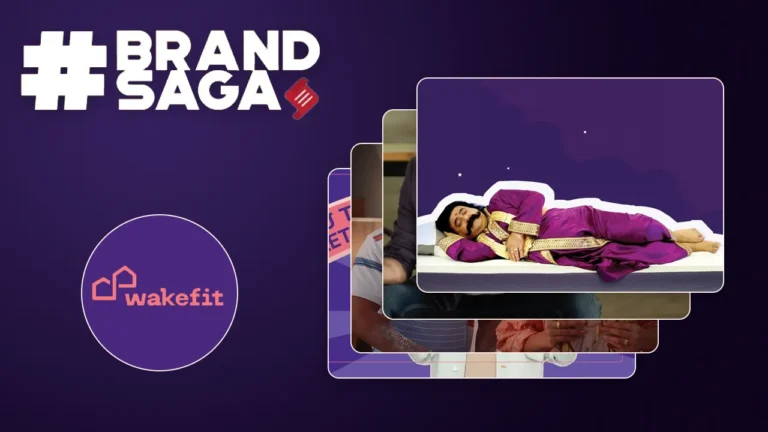
With a sharp sense of humor and a culturally relevant voice, Wakefit has transformed the way India talks about rest. What started as a bootstrapped venture out of a modest apartment has now become one of the country’s most recognized D2C brands—with IPO ambitions set for 2026.
The Origin Story: A Coffee Chat That Sparked a Sleep Revolution
In 2015, Chaitanya Ramalingegowda and Ankit Garg found themselves at career crossroads. Both had previously launched businesses that hadn’t quite taken off. But a simple coffee conversation changed everything.
Garg, a chemical engineer with a background in foam manufacturing, shared how frustrating it was to buy a mattress—confusing prices, pushy salespeople, and poor innovation. Ramalingegowda immediately saw the gap: sleep was a massive but underserved market. Together, they set out to fix it.
With just ₹2–3 lakh each, they launched Wakefit in 2016, operating out of a third-floor apartment. Deliveries were literally lowered to customers using pulleys.
From Apartment Startup to Investor Magnet
By 2018, Wakefit’s bold approach caught the attention of Sequoia Capital, which invested $1.5 million in Series A funding. In 2021, Wakefit raised $18 million in a Series B round led by Sequoia and Verlinvest, pushing its valuation beyond ₹2,800 crore.
In FY24, Wakefit clocked a revenue of ₹1,017 crore, marking a 24% YoY growth and a return to profitability, with an EBITDA of ₹65 crore.
But Wakefit’s true differentiator wasn’t just product—it was branding and storytelling.
Marketing That Slept Differently
In a market dominated by jargon-heavy ads and dusty showrooms, Wakefit flipped the narrative. The brand leaned into cheeky creatives, self-aware humor, and relatable insights about hustle culture, sleep deprivation, and wellness.
One of the early game-changers was the 100-day free trial, giving consumers the chance to test a mattress at home—something unheard of in India at the time.
The Sleep Internship: Turning Rest Into Content Gold
In 2019, as hustle culture peaked, Wakefit launched a groundbreaking initiative: the Sleep Internship. The premise was as bold as it was brilliant—pay people ₹1 lakh to sleep 9 hours a night for 60 days while tracking their sleep patterns.
It wasn’t just a PR stunt—it was a powerful message: rest matters.
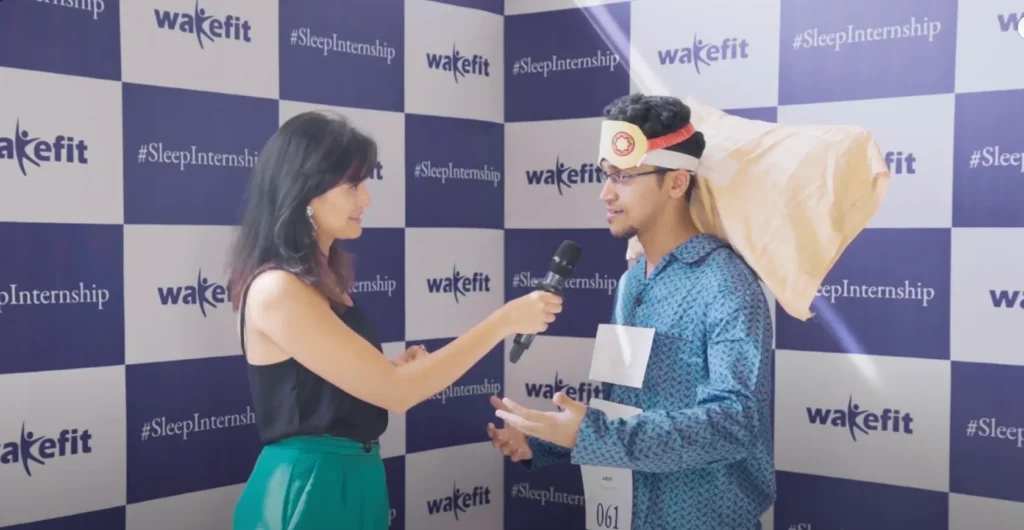
With the pandemic elevating wellness priorities, the campaign went viral. By 2020, the first edition saw 1.7 lakh applicants from 30 countries. By the third edition, that number had soared to over 10 lakh, with a winner earning ₹9 lakh—just for sleeping.
Wakefit used YouTube to build a multi-format content series, featuring trailers, intern stories, and BTS clips, keeping the Sleep Internship front and center in India’s wellness conversation.
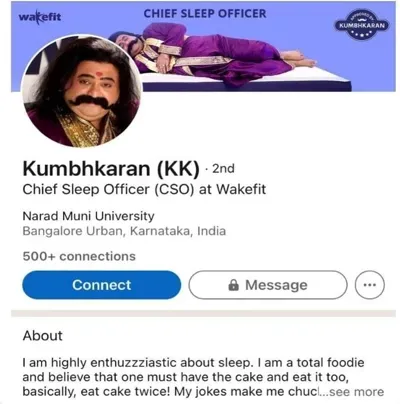
Kumbhkaran: A Mascot That Snored His Way Into Hearts
In another clever move, Wakefit introduced Kumbhkaran as its brand mascot, turning the mythological sleeper into their Chief Sleep Officer. In a campaign titled ‘Approved by Kumbhkaran’, the character went live across platforms—Instagram, Twitter, YouTube—only to snore through the sessions, sharing an out-of-office email for any sleep-related queries.
The result? The campaign trended at #7 on Twitter in India, reached 3.52 crore people, and clocked 6.5 million views on YouTube.
Beyond Mattresses: Building the Sleep-to-Home Ecosystem
Wakefit didn’t stop at mattresses. Internal data revealed that 35–40% of mattress buyers returned within six months to buy bed frames. This insight guided Wakefit’s expansion into beds, ergonomic chairs, sofas, desks, and bookshelves.
The pandemic turbocharged demand for functional home furniture. Wakefit’s WFH collection quickly gained traction, contributing to its revenue leap to ₹416 crore in FY22.
Wakefit’s marketing evolved too—campaigns focused on home scenarios, product transparency, and BTS content showing how products were designed and assembled.
To strengthen its mass appeal, Wakefit onboarded Rashmika Mandanna in 2022 and Ayushmann Khurrana in 2023 as brand ambassadors.
#Gaddagiri: When Sleep Deprivation Gets Savage
In 2024, Wakefit launched one of its most memorable campaigns—#Gaddagiri, a satire series highlighting the hilarious (and dangerous) effects of sleep deprivation.
The campaign tagline, “Lafda tab hota hai, jab tum barabar nahi sota” (“Trouble happens when you don’t sleep properly”), anchored four smartly timed films:
- The Delusional Interview – A CEO, too sleep-deprived to function, hilariously flips a job interview by asking for compensation.
- The Accidental Firing – A nod to YesMadam’s fake termination stunt, with a sleepy HR exec firing people by mistake.
- The Poonam Pandey Episode – Featuring the controversial figure herself, highlighting how lack of rest can lead to absurd decisions.
- The 70-Hour Workweek Satire – A comic take on Narayana Murthy’s call for extreme work hours, pointing out the importance of sleep for actual productivity.
Each film masterfully combined humor with cultural commentary, reinforcing Wakefit’s position as a brand with a voice—and a soul.
The Bigger Dream: IPO by 2026
From redefining how India shops for mattresses to owning the cultural conversation around sleep, Wakefit has built a loyal following by prioritizing relevance, relatability, and rest.
With an IPO on the horizon, the brand is evolving from a sleep-focused disruptor to a holistic home and wellness brand.
And if its track record is any indication, Wakefit isn’t just selling furniture or mattresses—it’s selling a way of life where sleep, comfort, and humor are always in fashion.