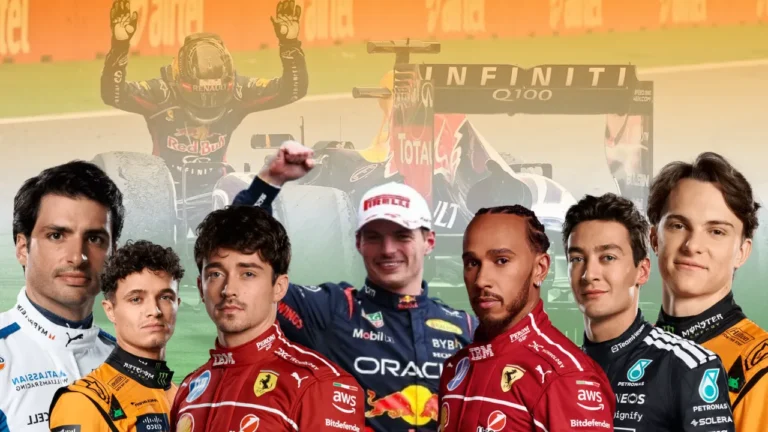
Once seen as an elite European pastime, Formula 1 has carved out a surprising and significant niche in India’s sports landscape. With the help of digital access, compelling storytelling, and a young, urban audience, F1 is now gaining traction across a country traditionally obsessed with cricket.
From Niche to Mainstream
In sports bars across Mumbai, a new sound is beginning to challenge the familiar hum of cricket commentary—the roar of F1 engines. Once considered a niche fascination for India’s affluent few, Formula 1 is now attracting millions of fans, becoming more than just a weekend spectacle.
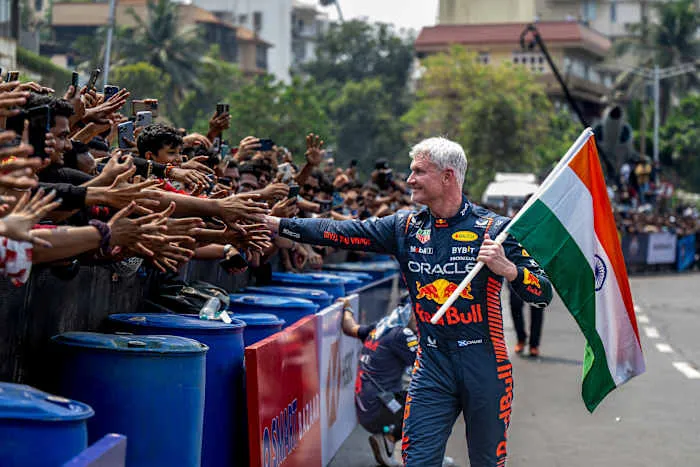
David Coulthard interacts with fans at the Red Bull Showrun Mumbai 2023
This shift is part of a broader global resurgence for the sport, which began in earnest when Liberty Media acquired Formula 1 in 2017. Their game plan was clear: break down elitist barriers, embrace digital-first storytelling, and humanise the sport. The results speak for themselves—$3.4 billion in revenue in 2024, 1.6 billion global TV viewers, and a fanbase of over 826 million.
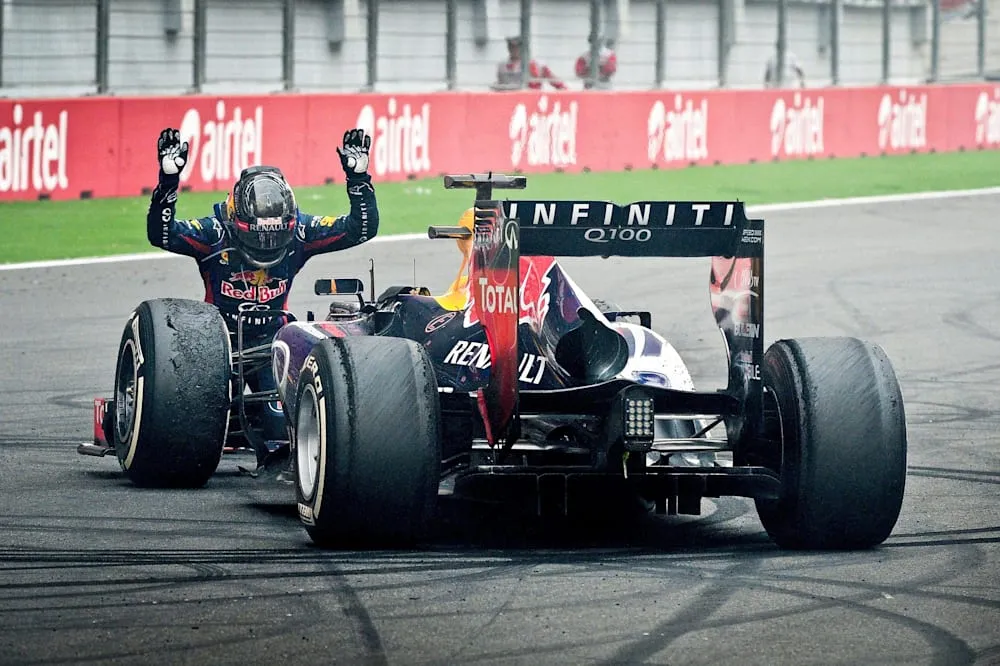
Sebastian Vettel celebrates after winning the 2013 Indian Grand Prix
India’s First Taste: The Indian Grand Prix
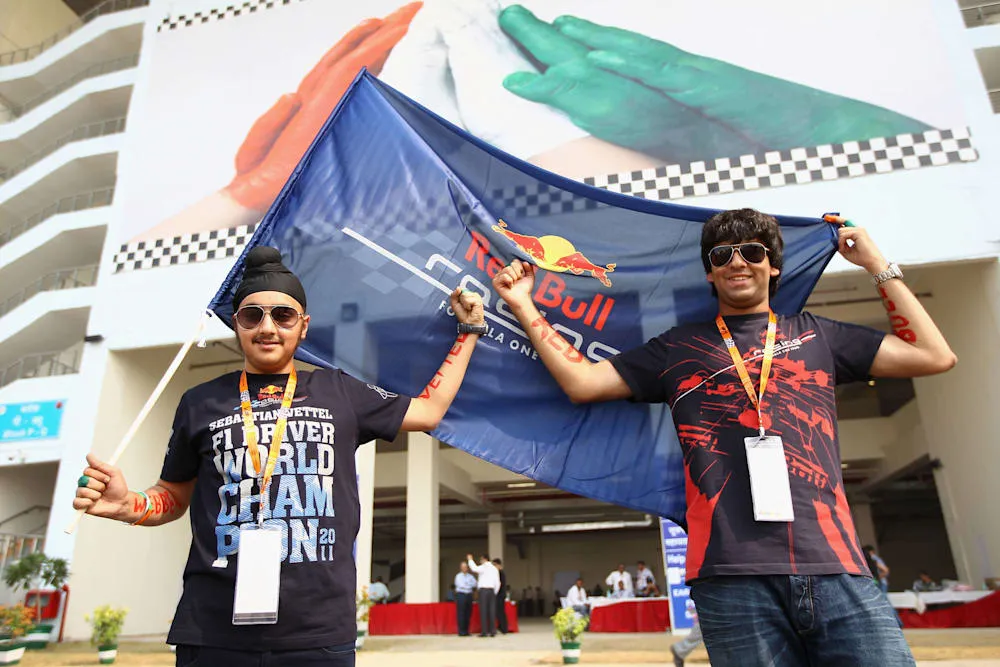
India first flirted with F1 during the brief stint of the Indian Grand Prix (2011–2013) at the Buddh International Circuit. The inaugural race drew a crowd of 95,000 and saw Sebastian Vettel’s dominant win that left a lasting impression. But financial complications and regulatory challenges brought the event to an abrupt end.
Despite its short life, the Indian GP planted a seed—one that’s now beginning to grow.
The Netflix Effect: ‘Drive to Survive’
F1’s real breakthrough in India came not on the track, but on screen. Netflix’s ‘Drive to Survive’ (DTS) redefined how people engage with motorsport. By turning technical races into emotionally-driven story arcs—featuring rivalries, behind-the-scenes drama, and personal stories—it made the sport accessible and addictive.
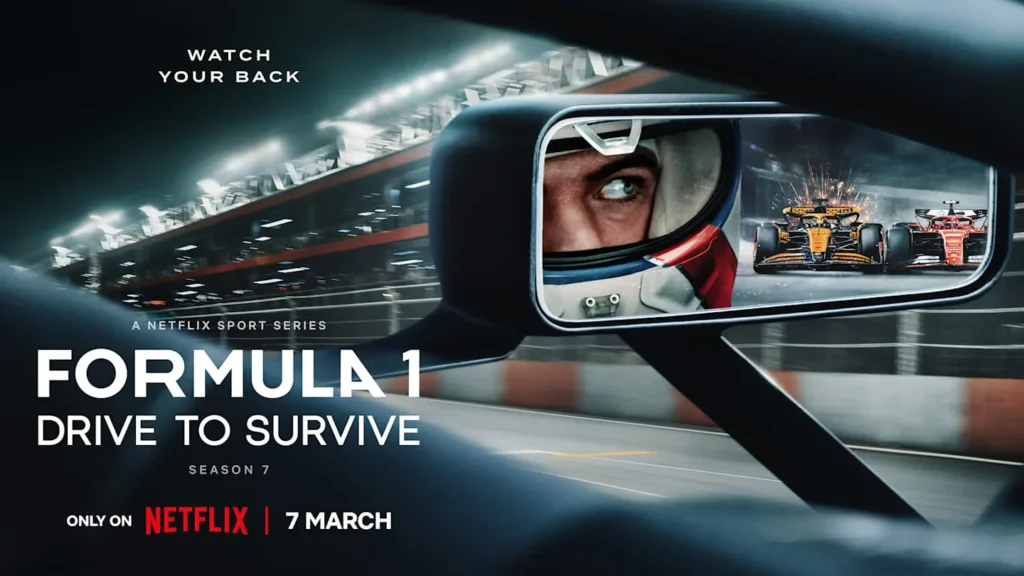
India has responded in kind: DTS demand in India is 8.7x higher than the average TV series. More importantly, it has turned drivers into global celebrities.
- Lewis Hamilton transcends sport with his activism and fashion.
- Max Verstappen has become a symbol of domination.
- Charles Leclerc and Lando Norris resonate with a social media-savvy generation.
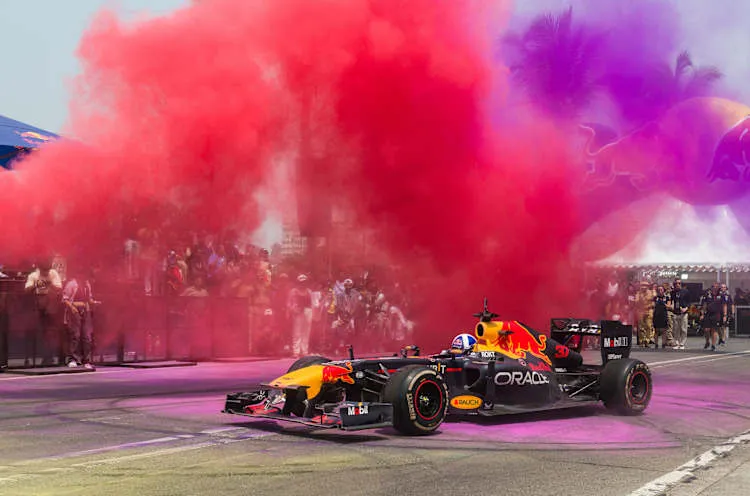
David Coulthard performs at the Red Bull Showrun Mumbai 2023
The Rise of the Indian F1 Fan
From 31 million motorsport fans in 2020, India is now on track to hit 60 million F1 followers, a nearly 30% jump in just five years. In 2024 alone, F1 content generated 13 million YouTube views from India.
But the real value lies in who these fans are: urban professionals, students, and young consumers with premium tastes, digital fluency, and spending power. For marketers, it’s a dream demographic.
While F1 still carries an image of exclusivity—with race tickets historically priced between ₹30,000 and ₹1,00,000—it’s no longer just a playground for the rich. Digital access has broadened the sport’s reach.
Marketing in the Fast Lane
F1’s premium positioning aligns perfectly with luxury, technology, and lifestyle brands. The sport has become a platform for:
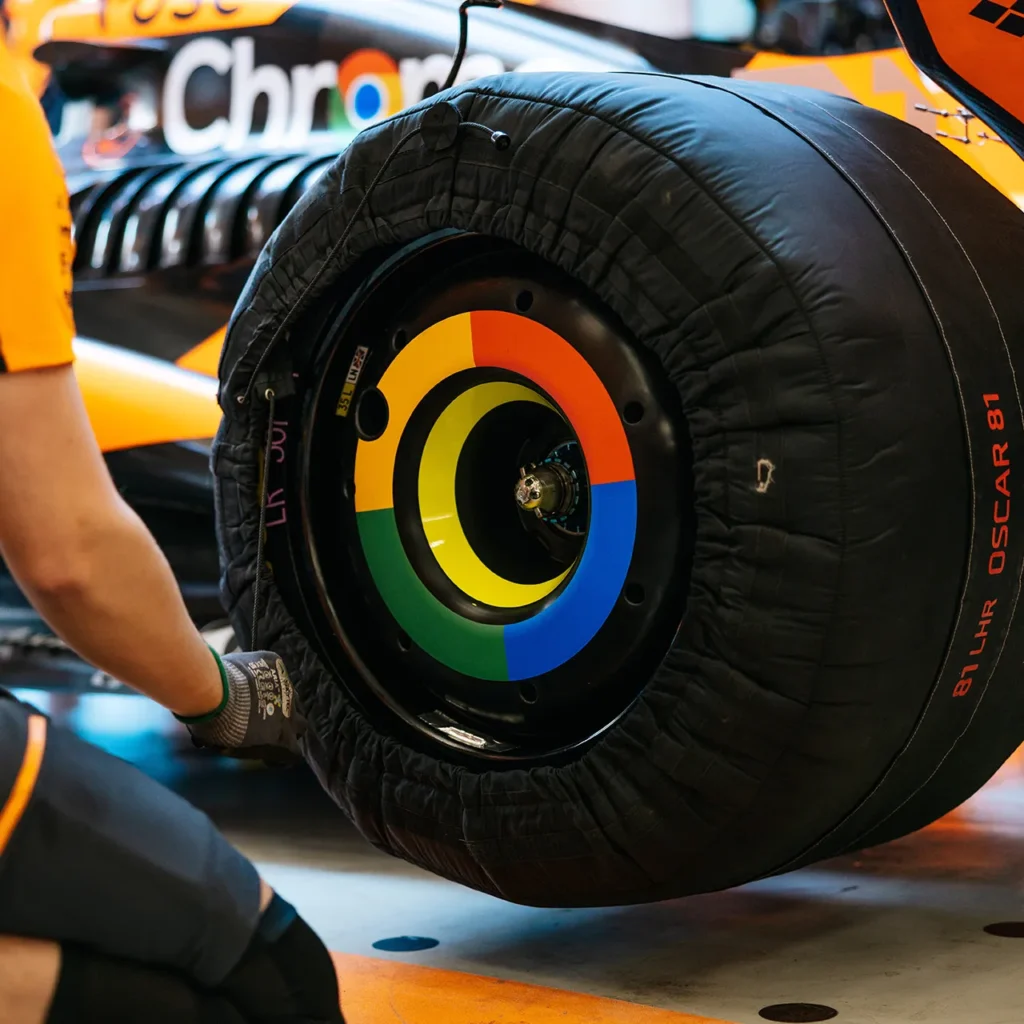
Google & McLaren F1 Partnership
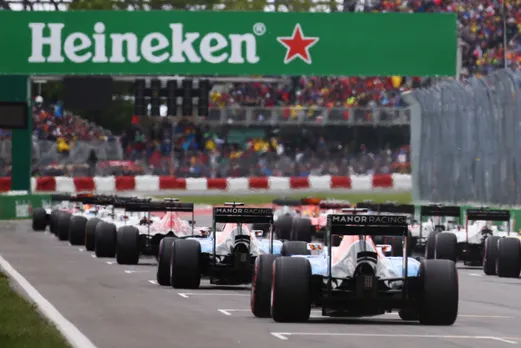
Heineken promotional boards
- Automotive and luxury labels to showcase performance and design
- Tech giants like AWS, Google, and Oracle to promote AI and data solutions
- Finance and fintech brands to reach a digitally literate audience
- Lifestyle products like Monster, Heineken, and KitKat to tap into global excitement
More creatively, Red Bull’s 2023 show run in Mumbai, which drew 20,000 spectators, demonstrated the value of immersive, on-ground activations. Today, digital-first campaigns, influencer-led content, and exclusive fan events define F1 marketing strategies in India.
The Roadblocks Ahead
Formula 1’s biggest hurdle in India remains the cultural dominance of cricket. Additionally, the cost of fandom—from subscriptions and merchandise to international race attendance—can limit deeper engagement.
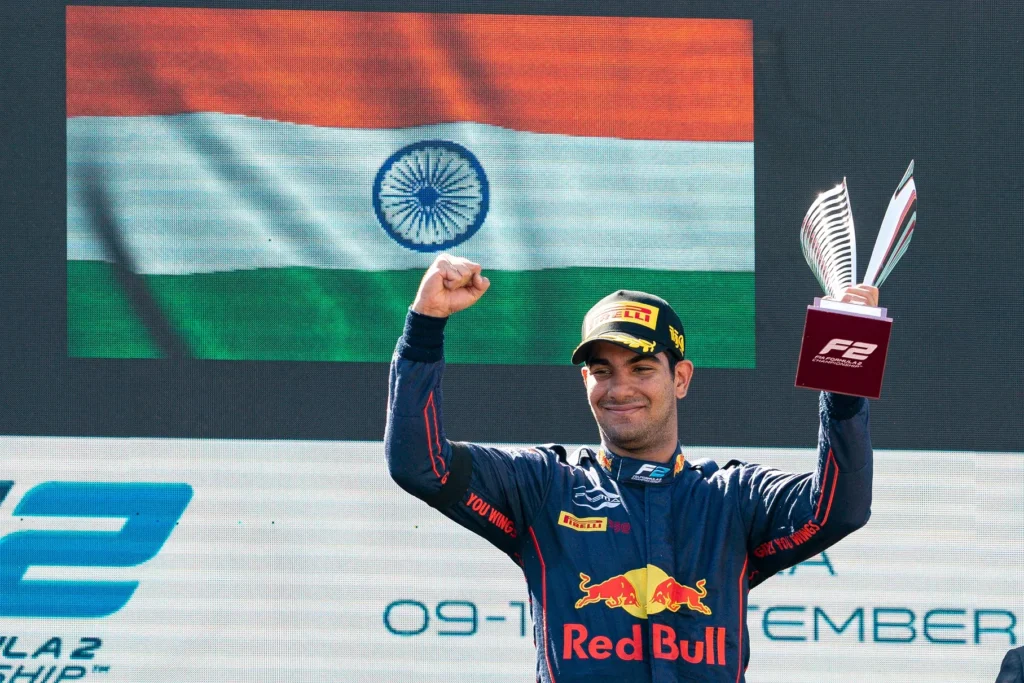
Yet, change is underway. Regional-language broadcasts, fan festivals in Tier I and II cities, and grassroots motorsport investments are gradually expanding access. Crucially, the rise of homegrown talents like Jehan Daruvala—a multiple Formula 2 podium finisher and former Red Bull Junior Program driver—is inspiring new Indian motorsport dreams.
The Checkered Flag
F1’s Indian story is no longer about potential—it’s about momentum. The sport’s blend of speed, tech, drama, and personality resonates strongly with an India that’s more connected, aspirational, and globally engaged than ever before.
Streaming platforms and social media have broken down the barriers to entry. While race attendance abroad remains expensive—Singapore GP tickets start at ₹40,000—following the sport online has never been easier. For fans with smartphones and data, the pit lane is now just a click away.
Cricket still wears the crown, but Formula 1 is no longer a pretender—it’s a powerful complement. As India’s tastes evolve, F1 is becoming a key part of its new sporting identity.
Final Lap
A decade ago, the idea of F1 becoming a household conversation in India seemed far-fetched. Today, it’s a reality. The engines are loud, the stories compelling, and the access unprecedented.
Formula 1 has found its gear in India—and the country is driving full throttle into the future of motorsport fandom.