In a country dominated by free content, TV staples, and deep-rooted cable habits, convincing Indians to pay for entertainment was never going to be easy. Yet Netflix India, through strategic localisation, smart marketing, and an unrelenting focus on storytelling, carved a niche for itself in the world’s most complex streaming market.
From California Late Fees to Indian Living Rooms
The story of Netflix began in 1997, in Scotts Valley, California, with a now-iconic (though semi-mythical) anecdote—co-founder Reed Hastings getting slapped with a $40 late fee for returning Apollo 13. Frustrated by rigid rental models, Hastings imagined a platform with no deadlines, no penalties—just freedom to watch.
What began as a DVD-by-mail service eventually revolutionised entertainment with the launch of streaming in 2007. Netflix not only redefined how content was delivered but shaped new behaviors—binge-watching, “skip intro” buttons, and entire seasons consumed in one go.
In January 2016, Netflix flipped the switch on 130 countries in a single day—including India. But while global markets embraced streaming as an upgrade from expensive cable bundles, India posed a different challenge: here, television was already cheap, plentiful, and beloved.
The Indian Challenge: More Than Just Streaming
In India, Netflix had to work harder to justify its price. Traditional cable and DTH were affordable, content-rich, and deeply embedded in everyday life. International originals alone weren’t enough. Netflix needed to reframe the value of streaming itself—around choice, convenience, and control.
Its initial marketing tapped into these frustrations—commercial breaks, missing your favourite shows, or having “nothing good to watch.” These universal annoyances became punchlines in social media posts that drove home what Netflix had to offer.
Then came the banter. Netflix famously engaged in a billboard war with Hotstar (now Disney+ Hotstar), exchanging witty, meme-worthy jabs online. The back-and-forth grabbed attention and brought a global brand into India’s internet humour ecosystem.
Sacred Games: The Game-Changer
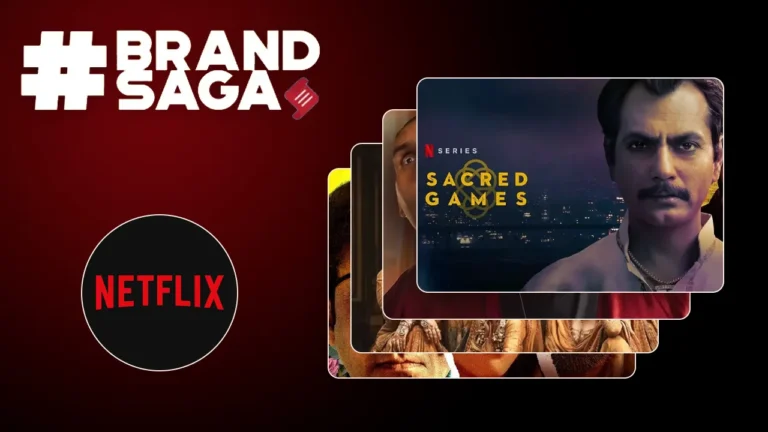
Netflix’s real breakthrough came with Sacred Games in 2018. It wasn’t just a show; it was a Bollywood-style blockbuster launch for the streaming era.
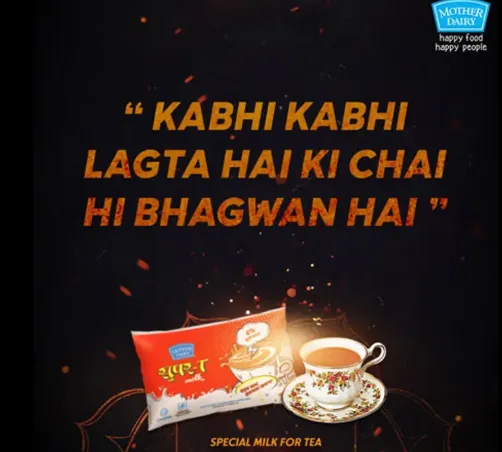
Trailers dropped like film teasers. Posters loomed large across metros. Catchphrases like “Kabhi Kabhi Lagta Hai Apun Hi Bhagwan Hai” lit up timelines. Nawazuddin Siddiqui’s Ganesh Gaitonde became a cultural icon. Brands, influencers, and fans all jumped into the conversation.
Netflix reportedly spent ₹5–6 crore on Sacred Games’s OOH campaign in 2018, and doubled that the following year. Giant 50-foot posters, transit ads, and street art helped turn the show into an event. It was a lesson in how to launch content, not just drop it.
This wasn’t just marketing a show—it was establishing a new kind of premium storytelling for Indian viewers. One that could rival the big screen, but lived on a streaming platform.
Localised Storytelling, Desi Vibes
Netflix India’s strategy rests on one core idea: don’t just sell shows—tell stories around them.
The brand invested heavily in localised content, and equally in marketing that felt familiar and rooted in Indian culture. Campaigns like Har Parivaar Ke Liye during Diwali celebrated shared viewing experiences, tapping into familial warmth and festive nostalgia.
The brand routinely blends content and marketing through memes, fan theories, and user-generated content. Netflix becomes more than a platform—it becomes part of the conversation.
Turning Streets into Cinematic Canvases
Netflix India has also mastered out-of-home (OOH) storytelling—transforming billboards into viral moments.
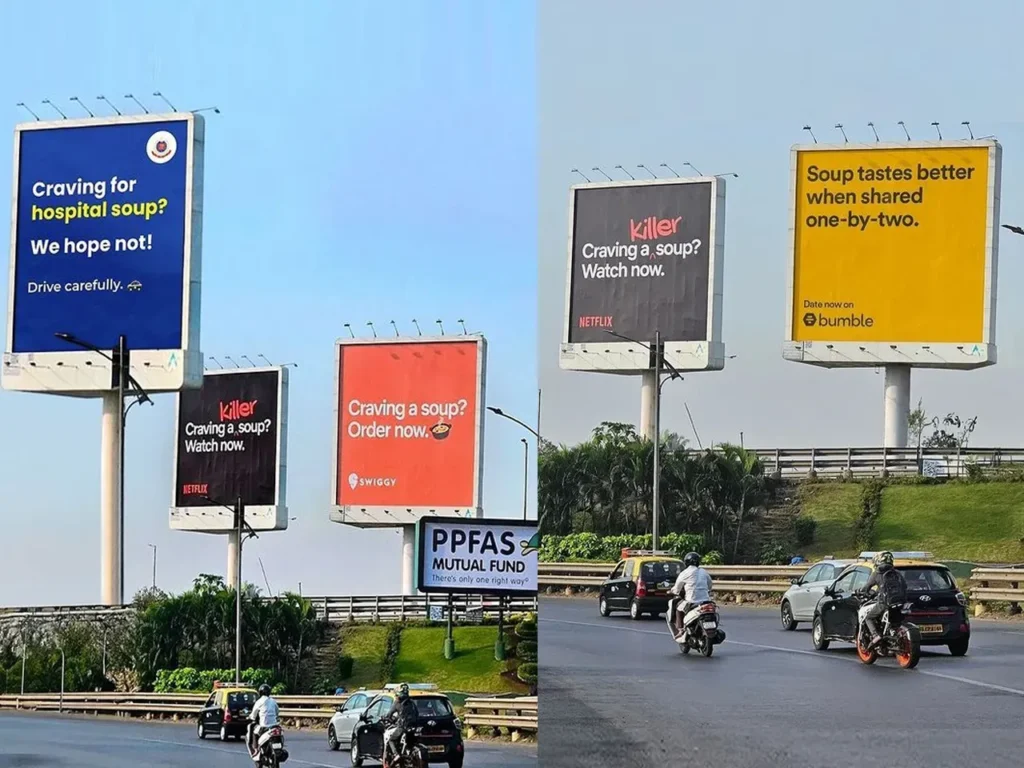
In 2021, Aranyak promotions slowly revealed new characters daily through billboards, building suspense like a mystery novel. For Killer Soup (2024), a cheeky “Craving killer soup?” billboard sparked a meme war when Swiggy playfully replied with “Craving a soup? Order now.” Other brands followed suit, turning a street ad into a full-blown moment marketing trend.

Netflix’s countdown billboard for The Archies, placed 100 days before its release, became a daily visual reminder that doubled as hype-building and visibility.
To announce Heeramandi: The Diamond Bazaar, Netflix staged an extravagant drone show over Mumbai’s Mahalaxmi Race Course, with over 1,000 drones forming motifs from the series—transforming a release announcement into a cinematic spectacle.
Digital Dominance
Across platforms—YouTube (26.5M subscribers), Instagram (11.4M followers), and Twitter/X (1.8M followers)—Netflix India speaks the language of the internet.
- YouTube has evolved beyond trailers into a playground of commentary, reactions, and creator collabs. Tanmay Bhat’s Tanmay Reacts and Kusha Kapila’s Behensplaining blend critique with comedy, helping Netflix stay plugged into youth culture.
- Instagram is meme central. Whether riding on the “Binod” trend or turning scenes into punchlines, Netflix India keeps its content snackable and shareable.
- Twitter/X is where it shines with topical humour. From cricket wins to budget day jokes, the brand jumps on every trending conversation, infusing pop culture with its own titles.
By positioning itself within everyday Indian moments—across news, sports, and entertainment—Netflix remains not just relevant but deeply relatable.
TUDUM: Global Stage, Local Flair
Globally, Netflix launched TUDUM in 2020—a streaming fan-fest inspired by Comic-Con. In India, the brand gave it a desi twist.
TUDUM India Spotlights highlighted Indian originals with glamour, humour, and interactive content featuring local creators. These weren’t just sneak peeks—they were invitations to be part of the fandom.
It wasn’t a content dump—it was a celebration. Netflix gave fans not just shows to watch, but worlds to explore.
The Road Ahead: Listening, Adapting, Entertaining
What makes Netflix India’s journey remarkable isn’t just its massive investment or glitzy campaigns. It’s the platform’s willingness to adapt—to not assume a one-size-fits-all approach, but to understand what makes Indian viewers tick.
From Sacred Games to Heeramandi, from meme banter to drone shows, from billboards to YouTube collaborations, Netflix has consistently blended high-quality content with hyper-local marketing.
In a country where TV once reigned supreme and streaming was an unknown luxury, Netflix didn’t just stream—it told stories, built community, and made itself watch-worthy in every sense.
A late fee in California may have sparked the idea. But in India, it’s clever, culturally-rooted storytelling that kept the binge alive.