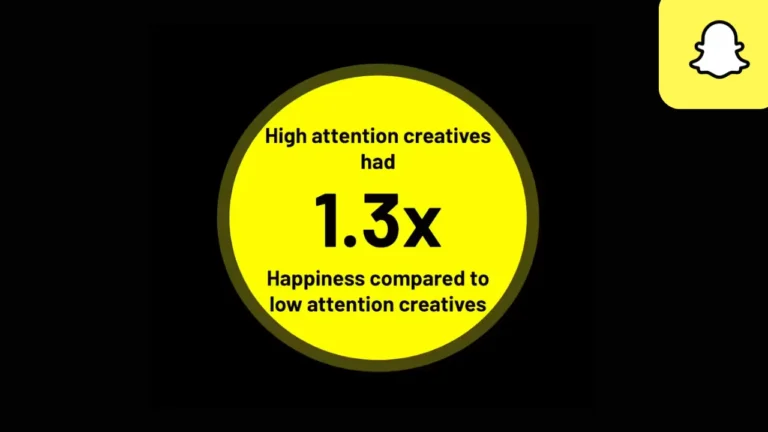
Snapchat has unveiled results from a new global study conducted in partnership with IPG Mediahub and Amplified Intelligence, revealing that happiness is a key factor in boosting user attention and long-term brand impact on social media ads.
Emotional Response Linked to Ad Effectiveness
The research leveraged eye-tracking technology and machine learning-based emotional detection to examine how users responded to different types of ad content. The study involved 4,000 participants across five countries—the United States, United Kingdom, France, Saudi Arabia, and Australia—with each participant viewing ads from Snapchat, TikTok, Instagram, and YouTube. In total, the study analysed 7,600 ad views across campaigns from 14 brands.
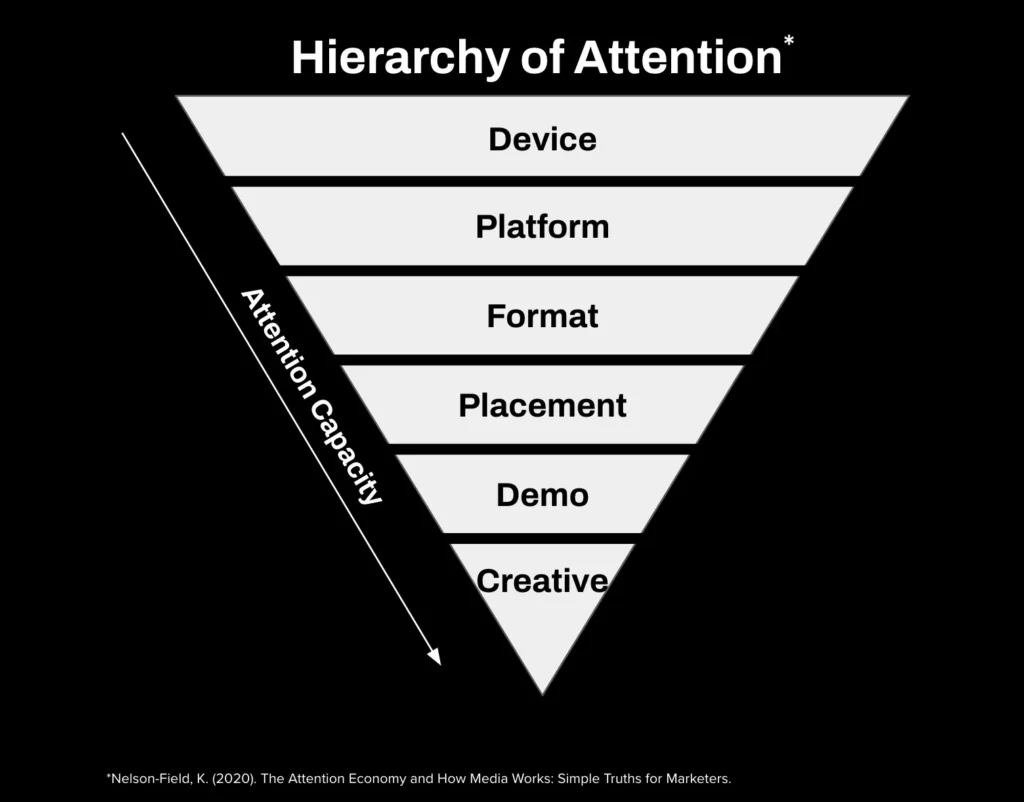
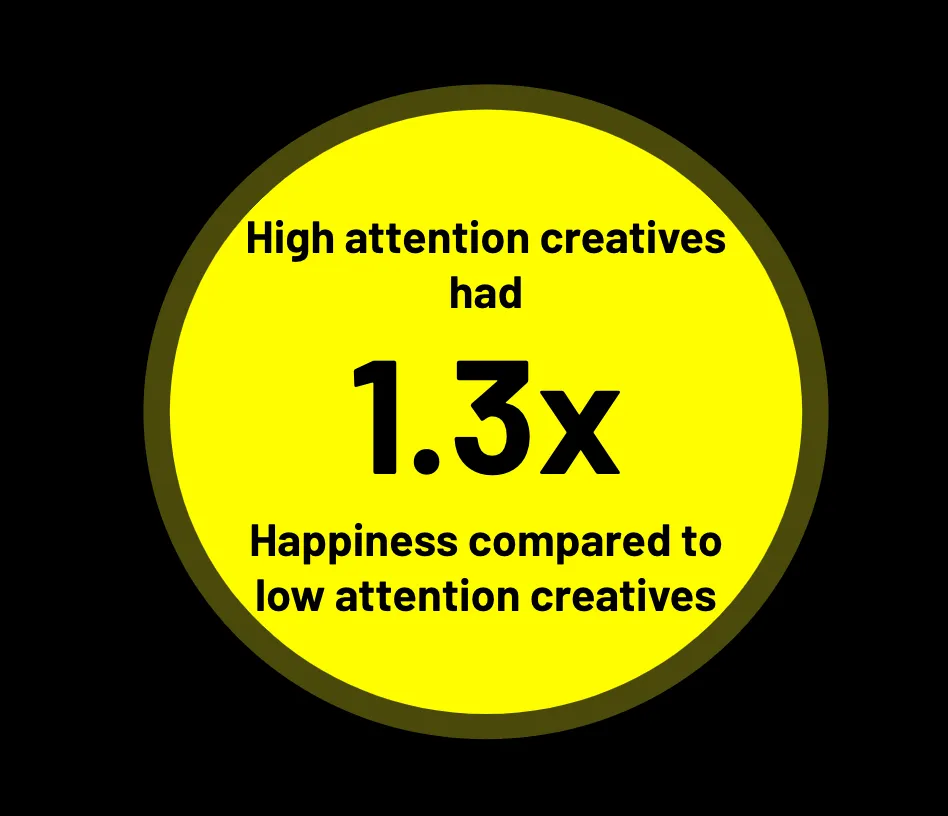
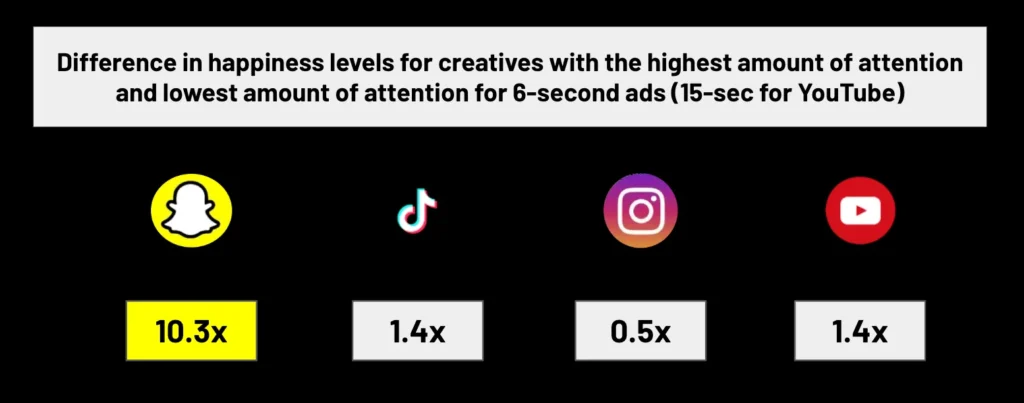
Findings showed that on Snapchat, ads that elicited higher levels of happiness were strongly correlated with greater user attention and improved brand lift over time.
“The difference in happiness levels between the most attention-grabbing creatives and the least was over 10 times higher on Snapchat,” the company noted. While similar emotional trends were observed on other platforms, the effect was significantly more pronounced on Snap.
Why Snapchat Ads Perform Differently
Snapchat attributed the results to the positive emotional environment of its platform. Users primarily engage with Snapchat to share lighthearted moments and connect with close friends and family—creating a naturally joyful context for advertising.
The platform also identified specific creative elements that contributed to higher levels of happiness and engagement:
- Use of sound and music
- Clear branding early in the ad
- Engaging storytelling techniques
- Vibrant, bright colour palettes
These components were found to be common among top-performing ads and helped create a more emotionally resonant experience for users.
Looking Ahead
Snapchat says it will continue to explore the emotional drivers behind effective digital advertising, aiming to enhance ad performance through deeper insights into user psychology and creative impact.
The study underscores the growing importance of emotional intelligence in advertising—particularly on platforms like Snapchat where positive experiences drive not only attention but meaningful brand connections.